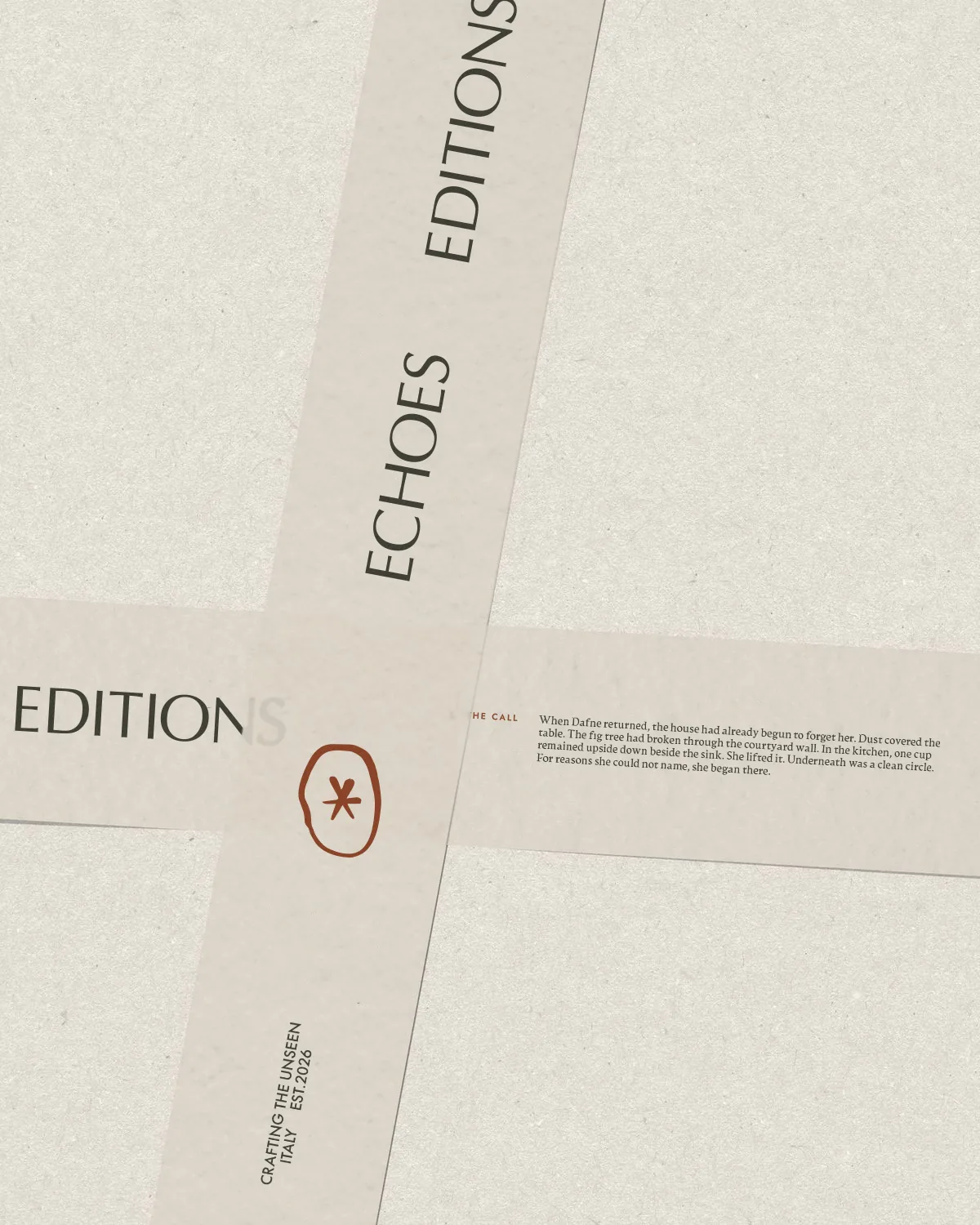
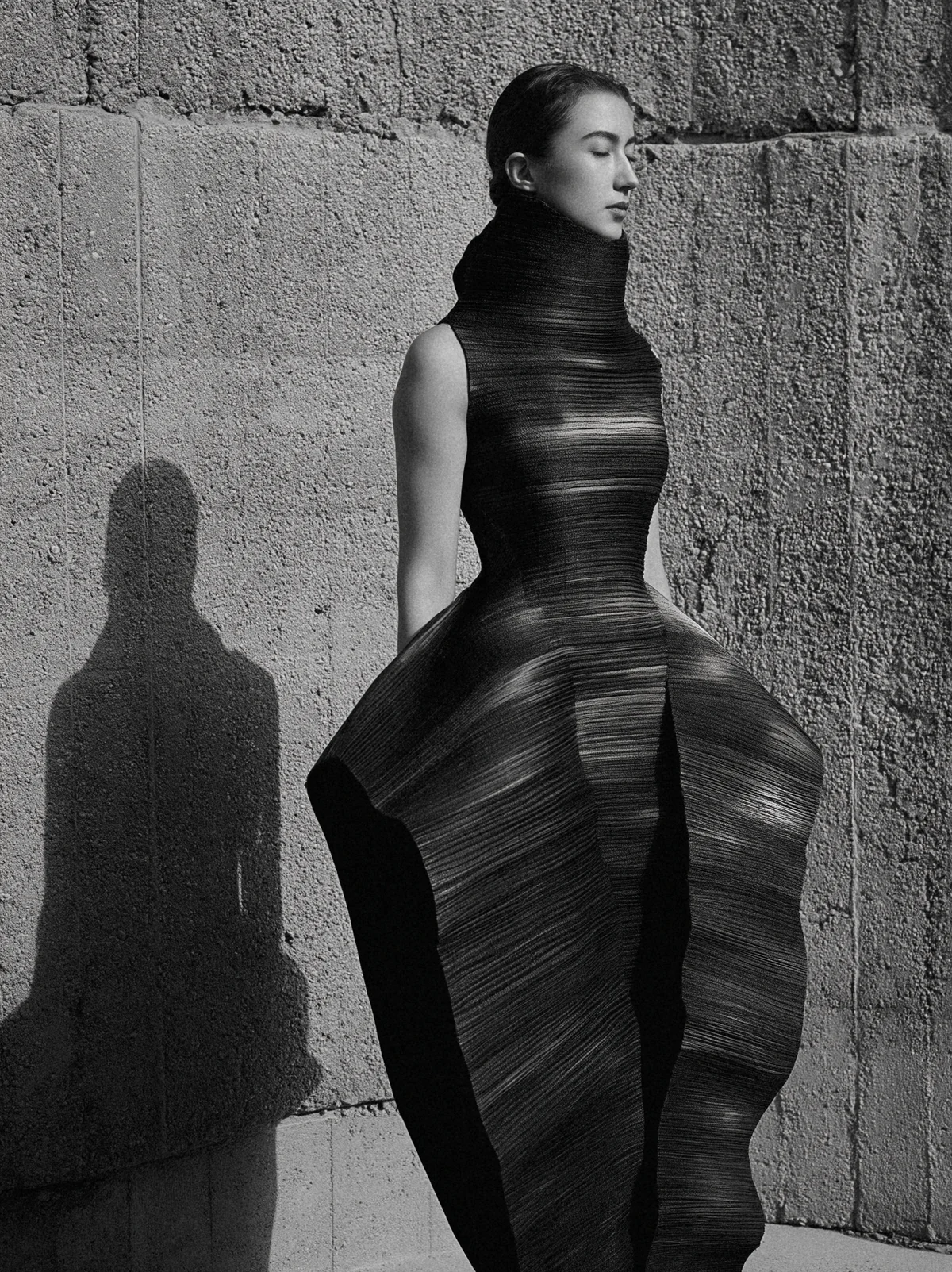
An editorial design house where furniture and objects are conceived as acts of narration.
I. The Call
When everything converges, identity becomes what we refuse to lose.
We are shaped by what preceded us. A gesture, a proportion, a material. An archetype. A fragment of architecture, a ritual, an artifact, or a moment in time. Traces of a common memory that become personal through experience.
Echoes Editions begins there: in the act of noticing, connecting and choosing what still bears meaning. We listen to what resonates and carry it forward.
What surfaces is our way of inhabiting the present. Intimate, deliberate, and tense toward what comes next.
We design through resonance. What travels returns changed.
II. The Echo
Memory is never faithful.
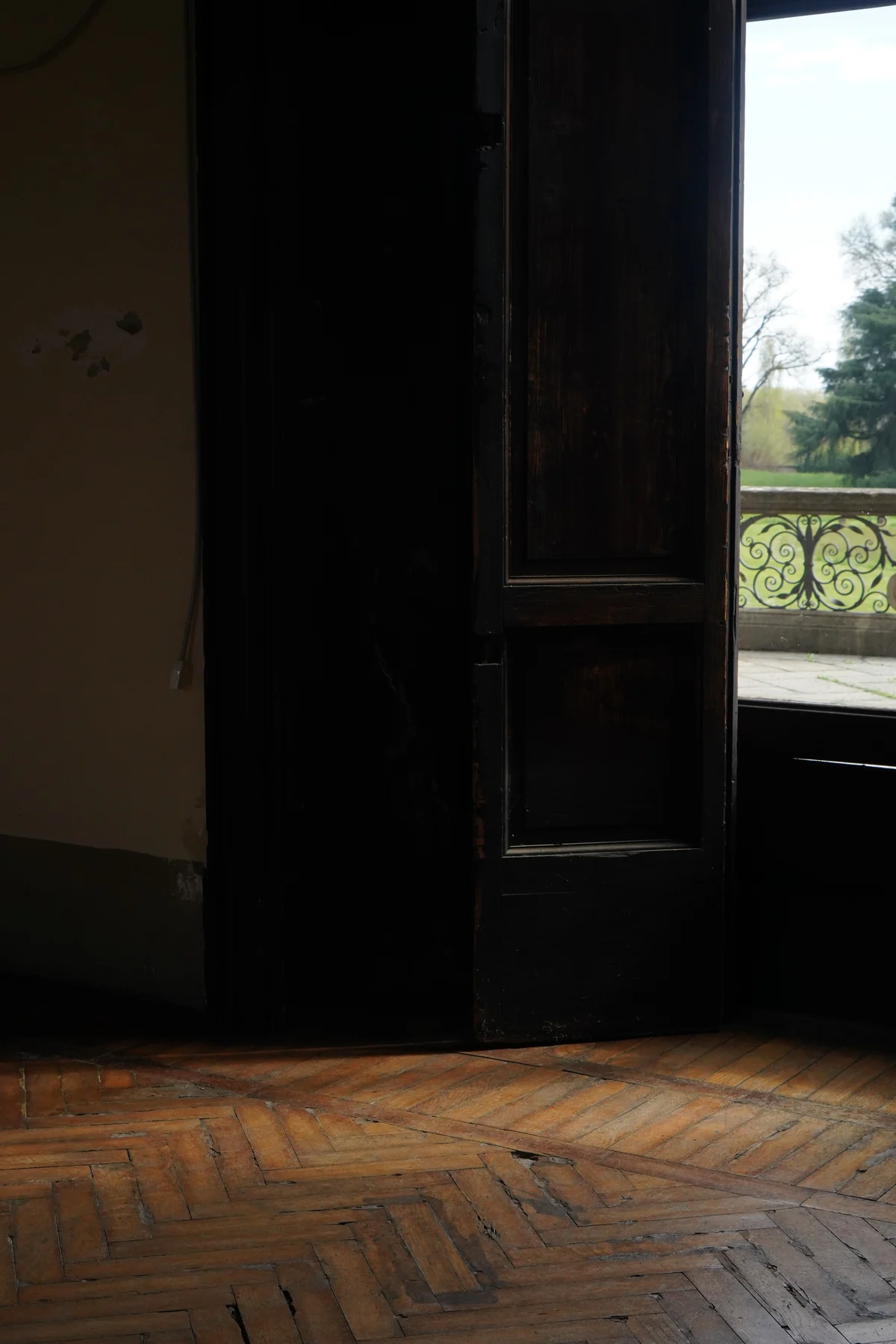
A remembered silhouette. A childhood souvenir. A film photograph. A fragment that still recalls its origin, suddenly feels displaced.
References pass through instinct, culture, and aesthetic consciousness. Distance alters them. Perception distorts them. What was known begins to deviate. That deviation matters.
The echo is not the reference. It is legacy in motion. To harness it is to be held accountable for its next life, demanding that its new form earns its significance in the conversation.
Our authorship is the edit: the point where possibility becomes conviction.
III. The Edit
Possibilities collapse without judgement.
To edit is to refuse the superfluous. We cut, we tighten, we clarify, filtering out the noise to isolate the essential. It is a rigorous process of subtraction, where what is left unspoken amplifies what endures.
Within this discipline, tension builds structure. Contrast turns into language. Imperfection is no longer an accident, but a deliberate dissonance. The edit imposes hierarchy on intuition, and boundaries on pursuit.
A singular outline emerges from many conceivable lives.
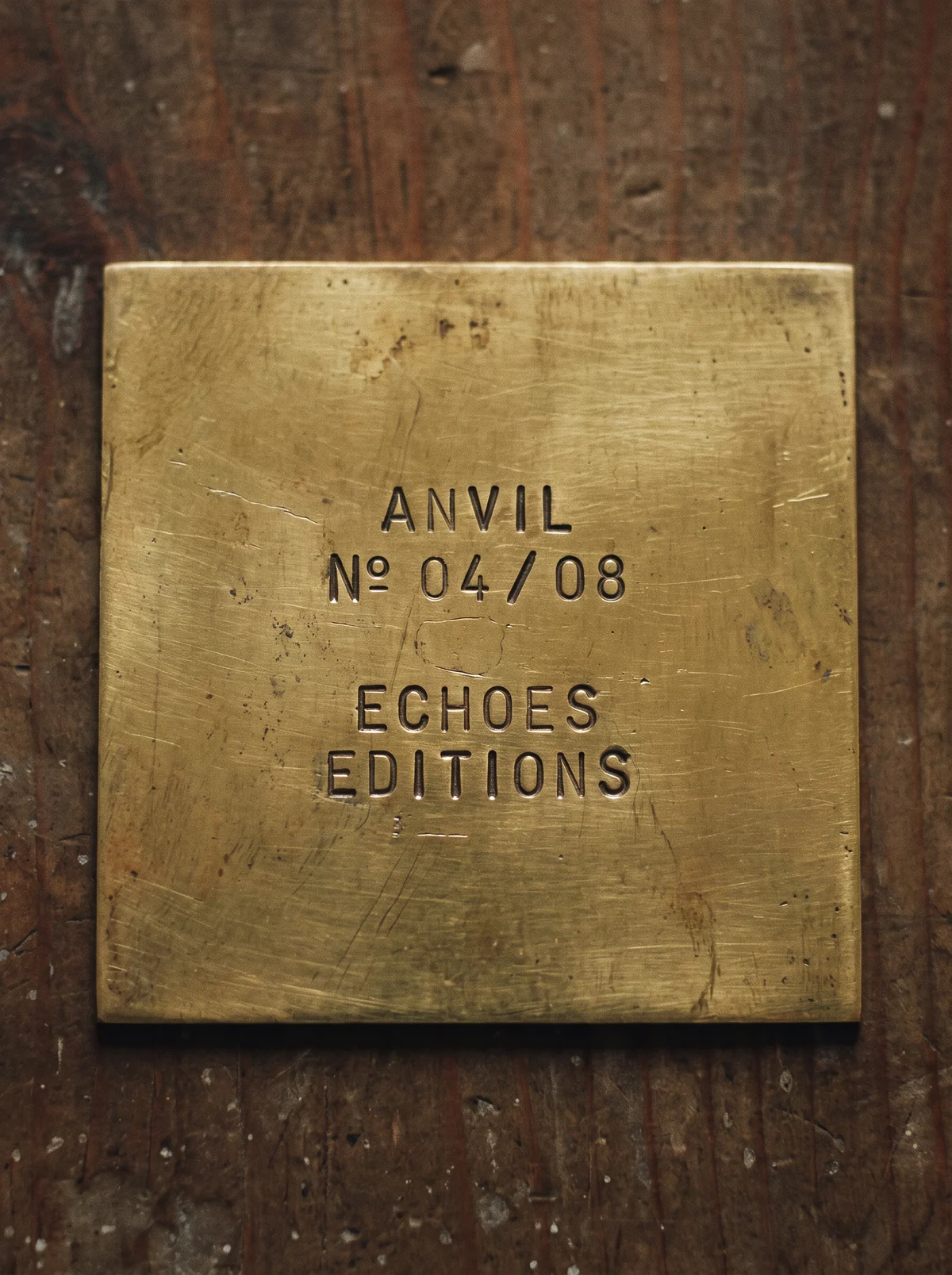
The edition begins with this quiet ruthlessness. Not simply a number, but choices made tangible. An intimate presence defined by restraint, purpose and care.
To shape a contemporary identity, we return to inherited knowledge.
IV. The Proof
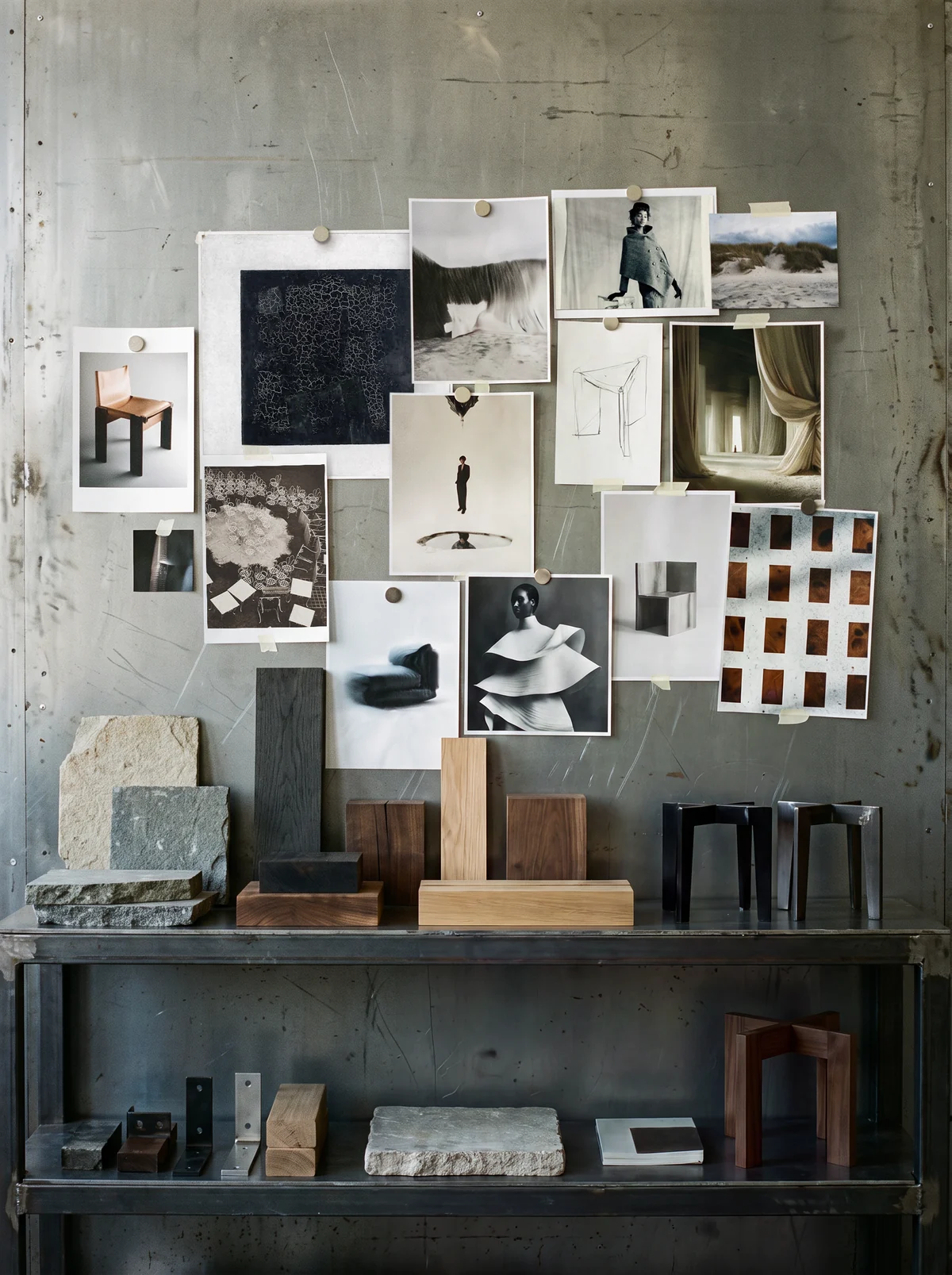
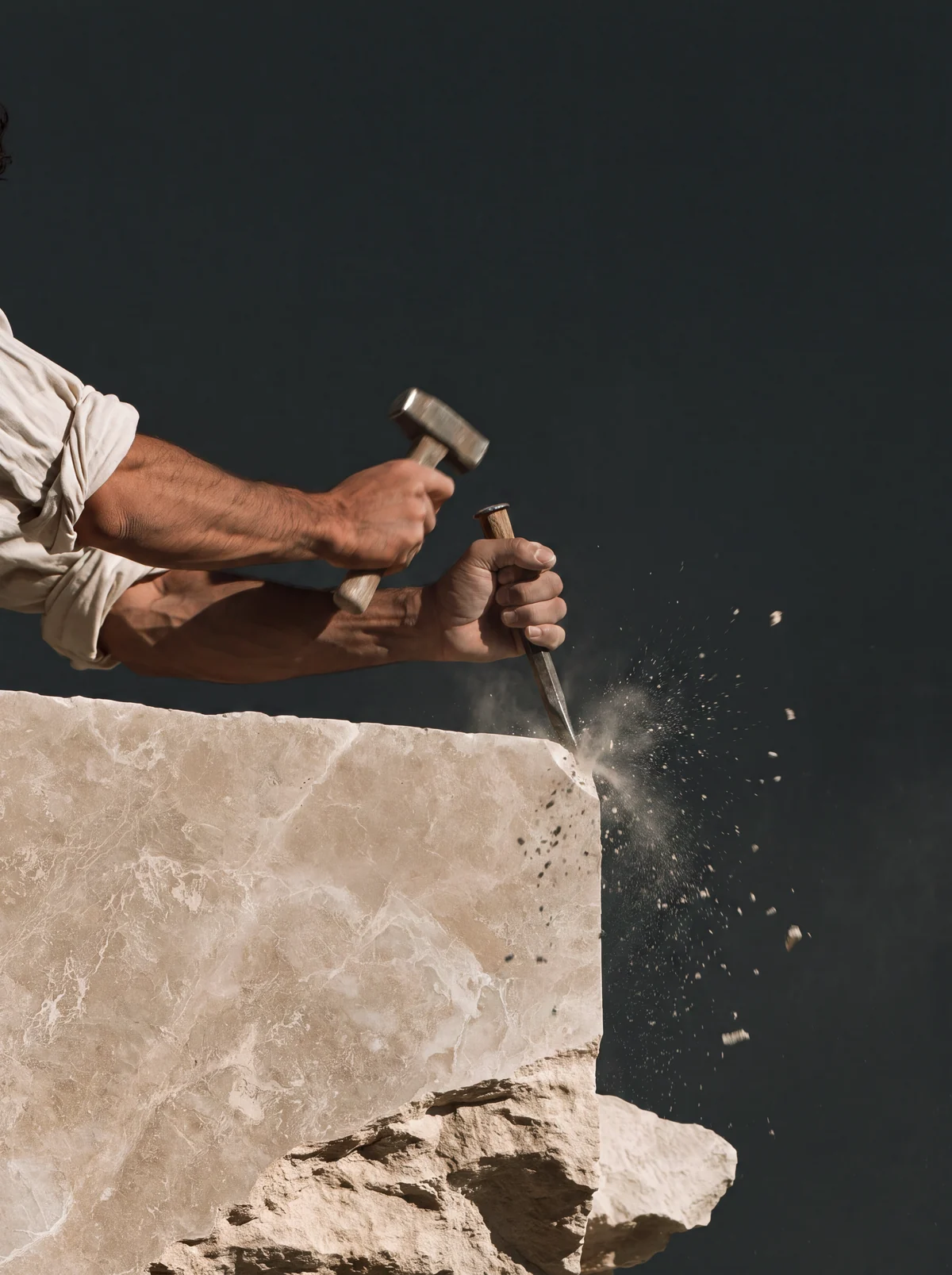
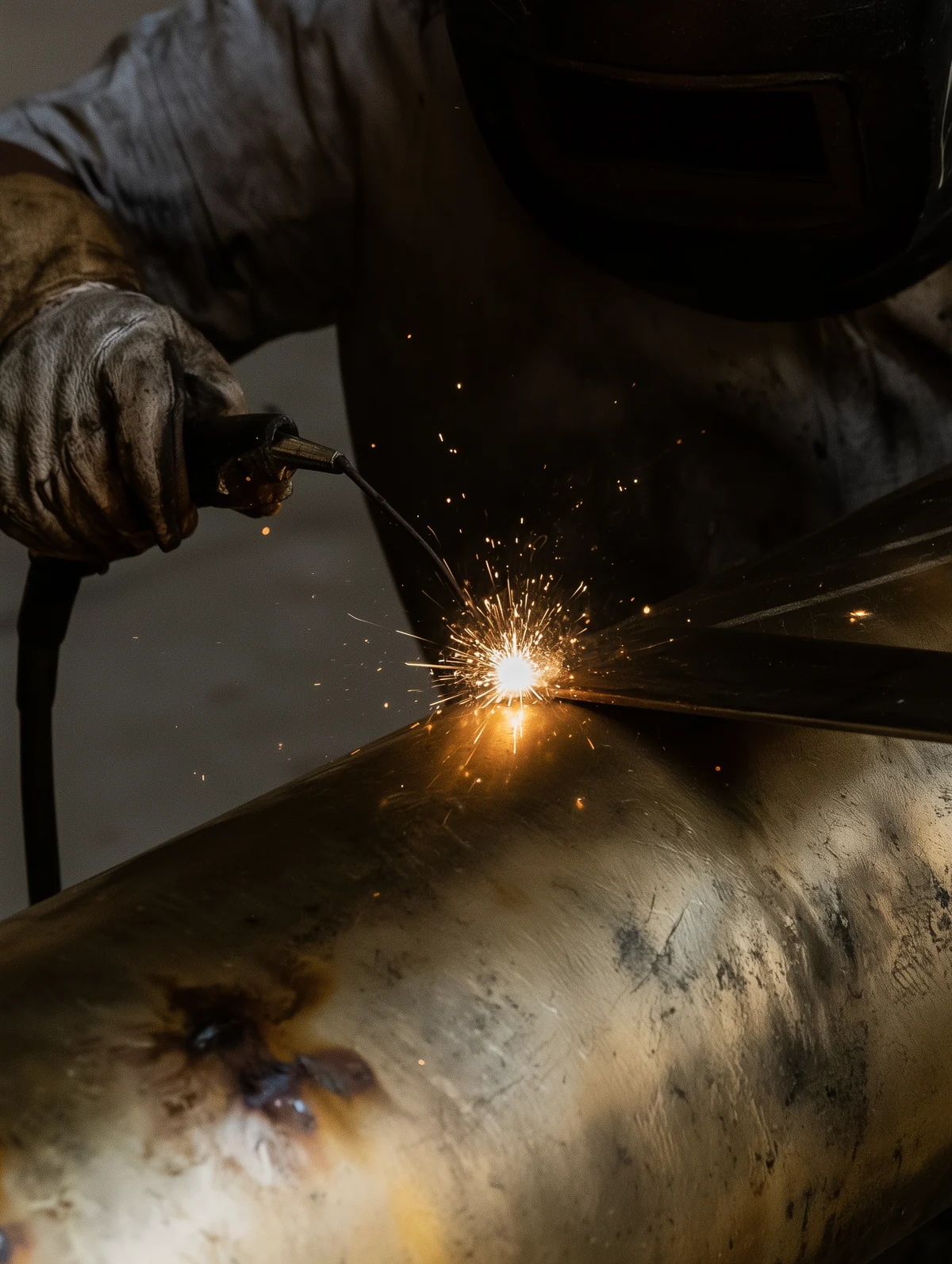
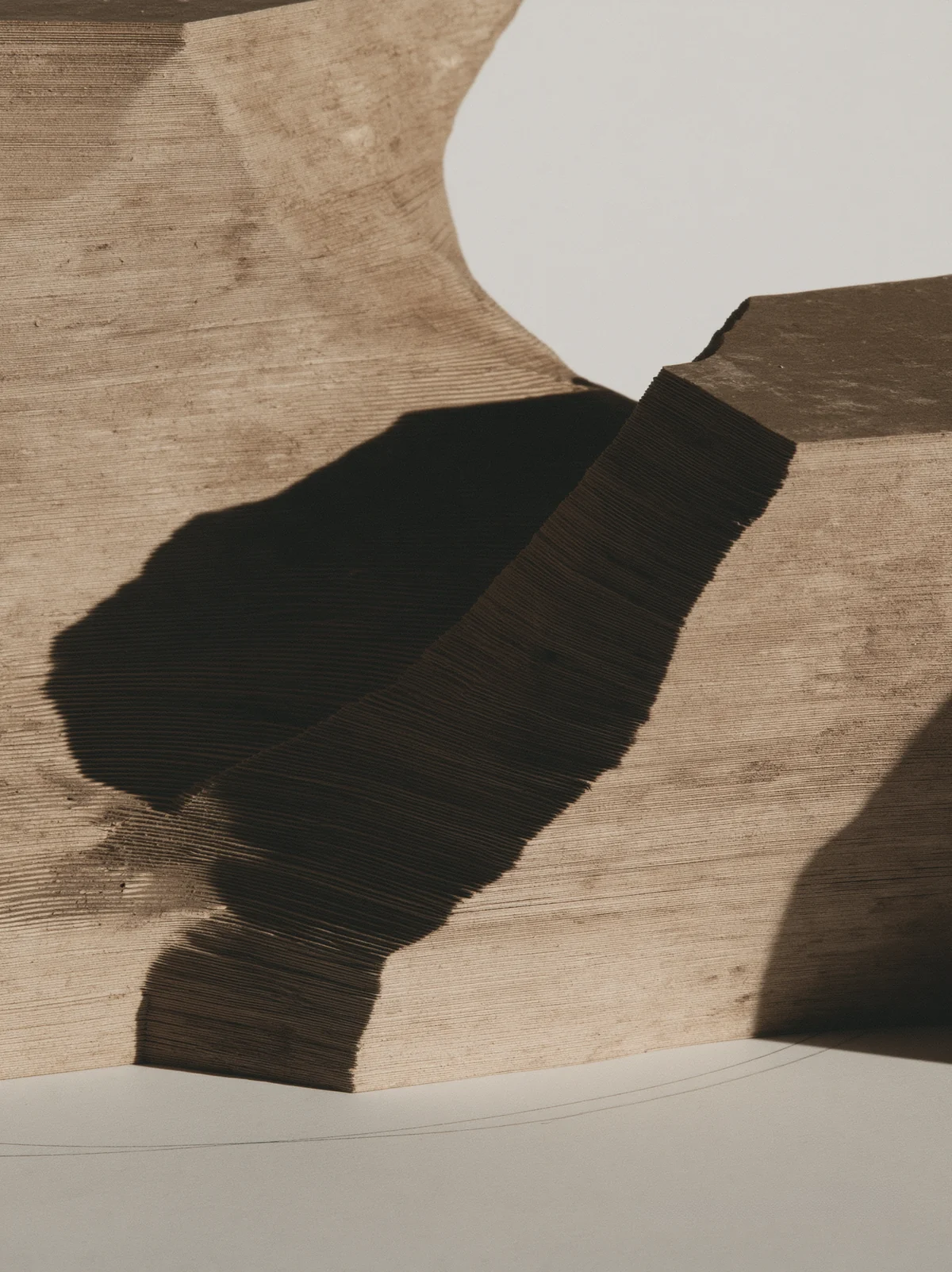
Craft is not mere execution. It is the second act of authorship. The hand questions the image. Matter introduces resistance and consequence.
We turn to Italian ateliers where knowledge still travels through hands. A savoir-faire able to translate an idea into form without flattening it.
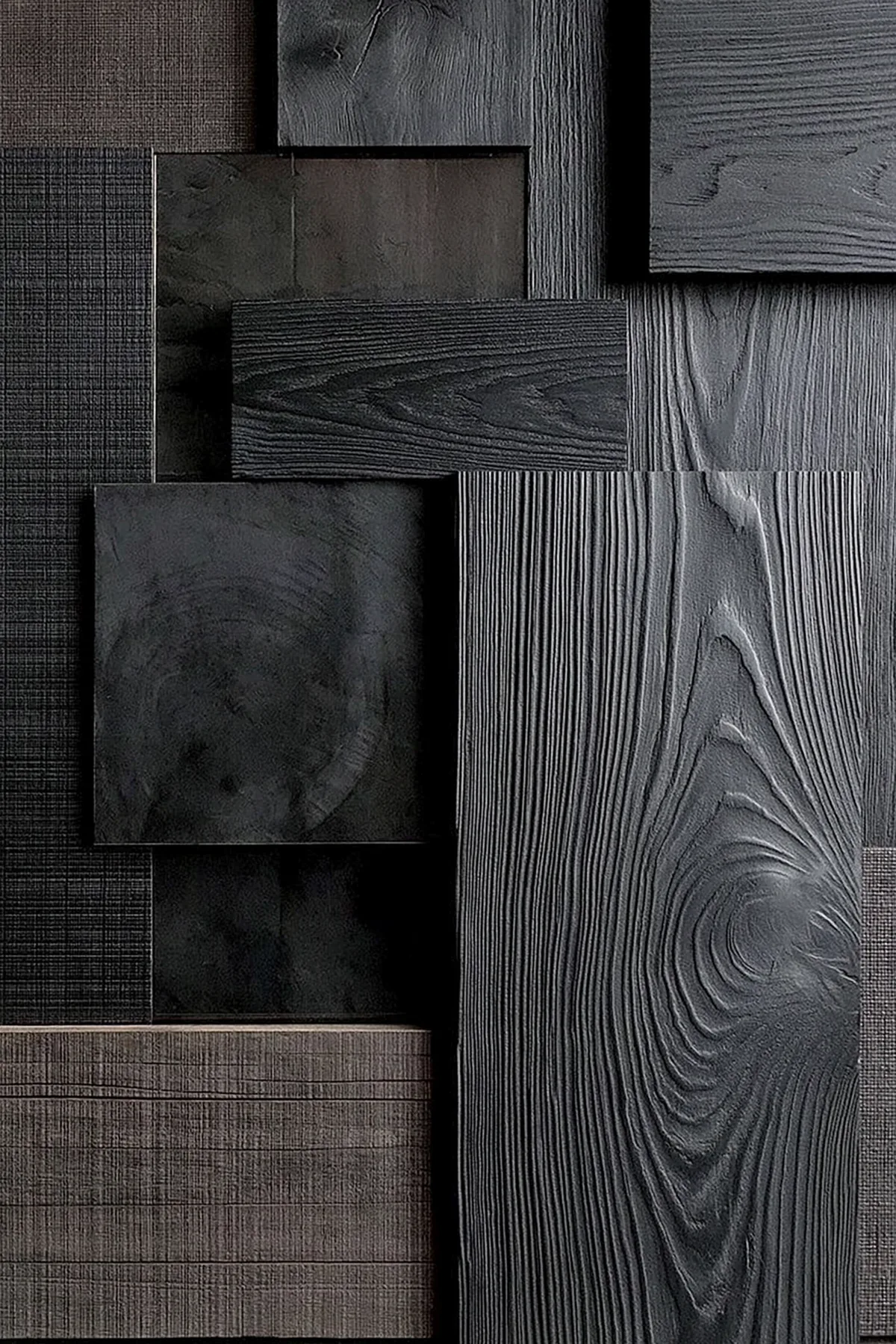
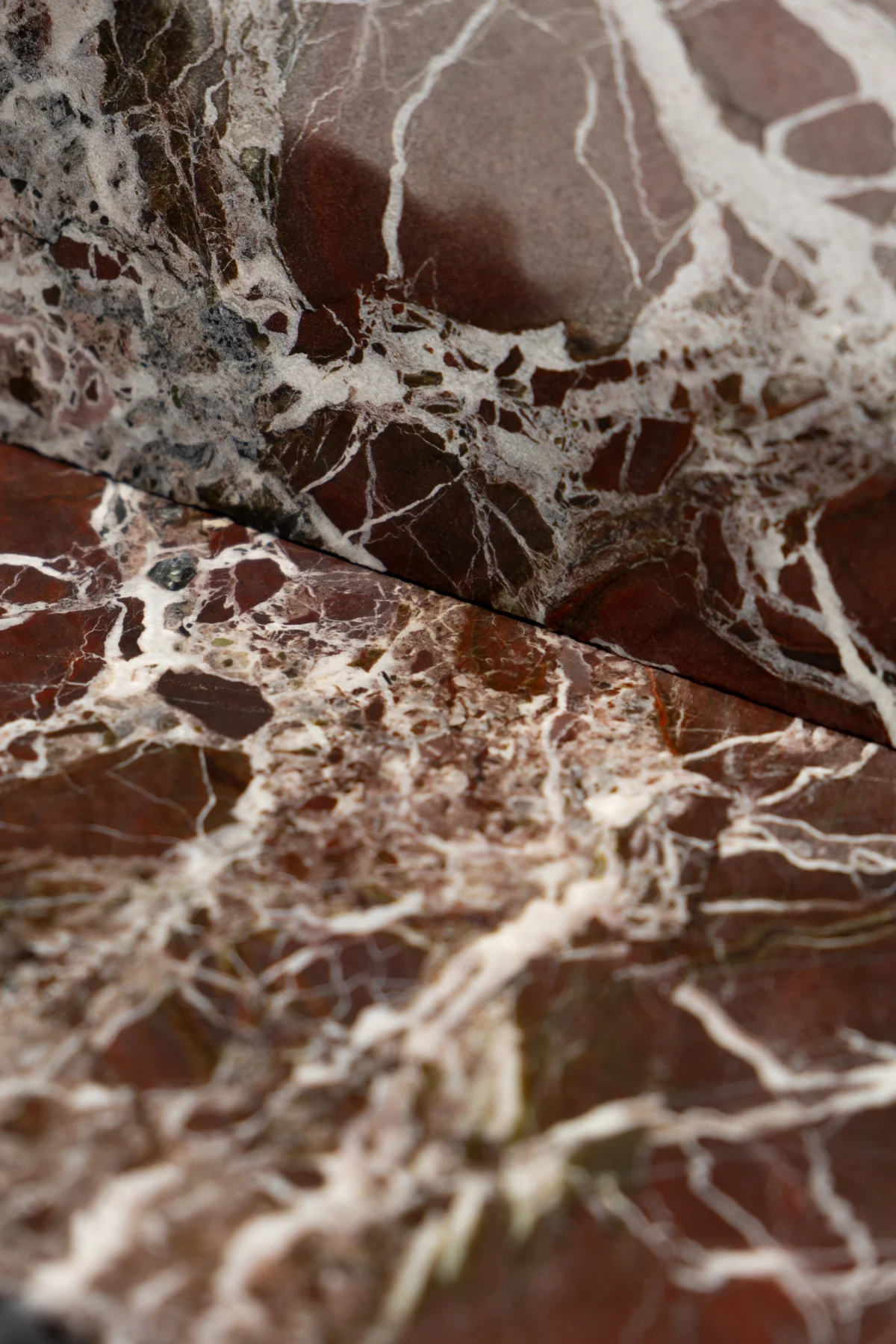
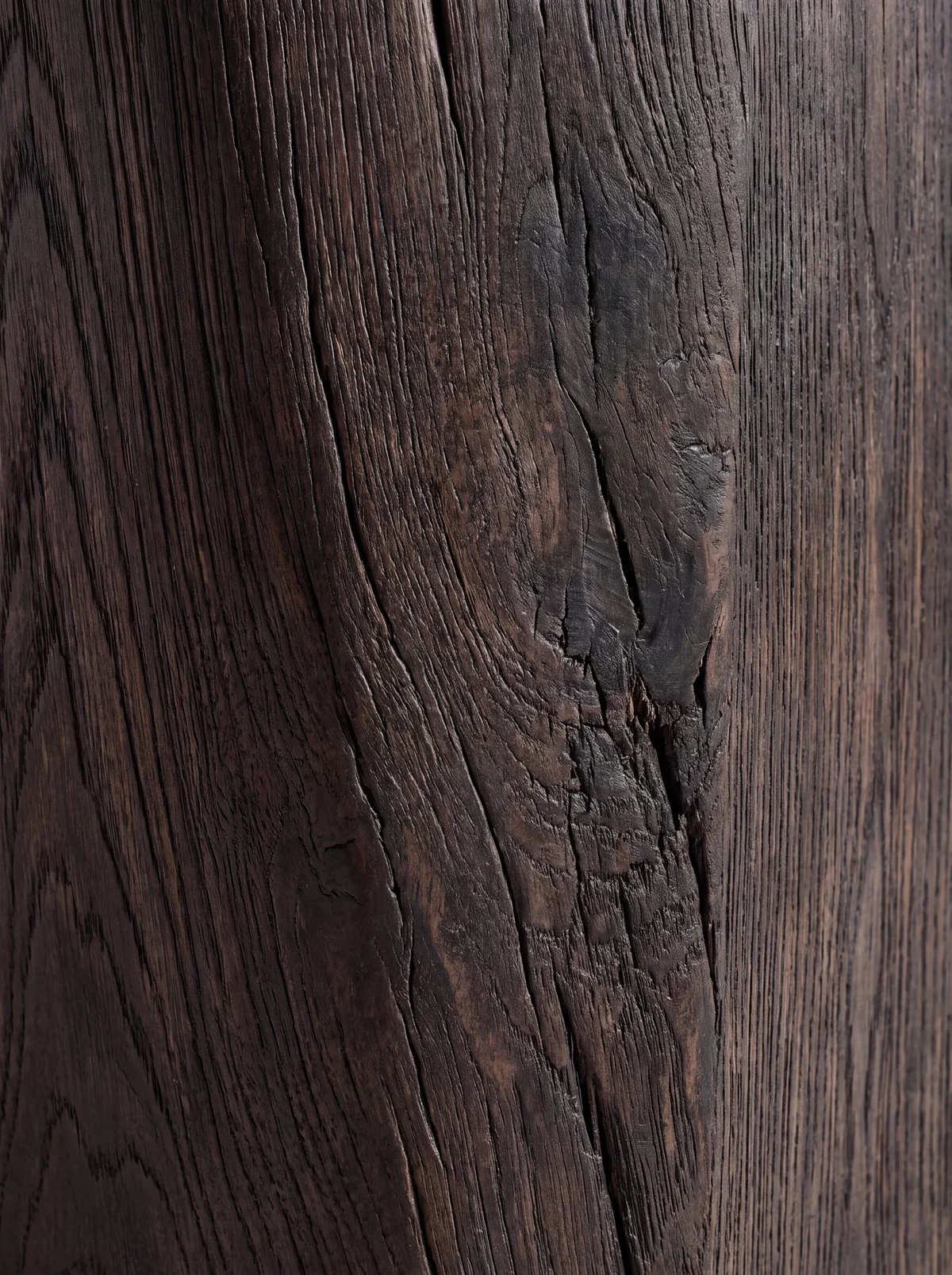
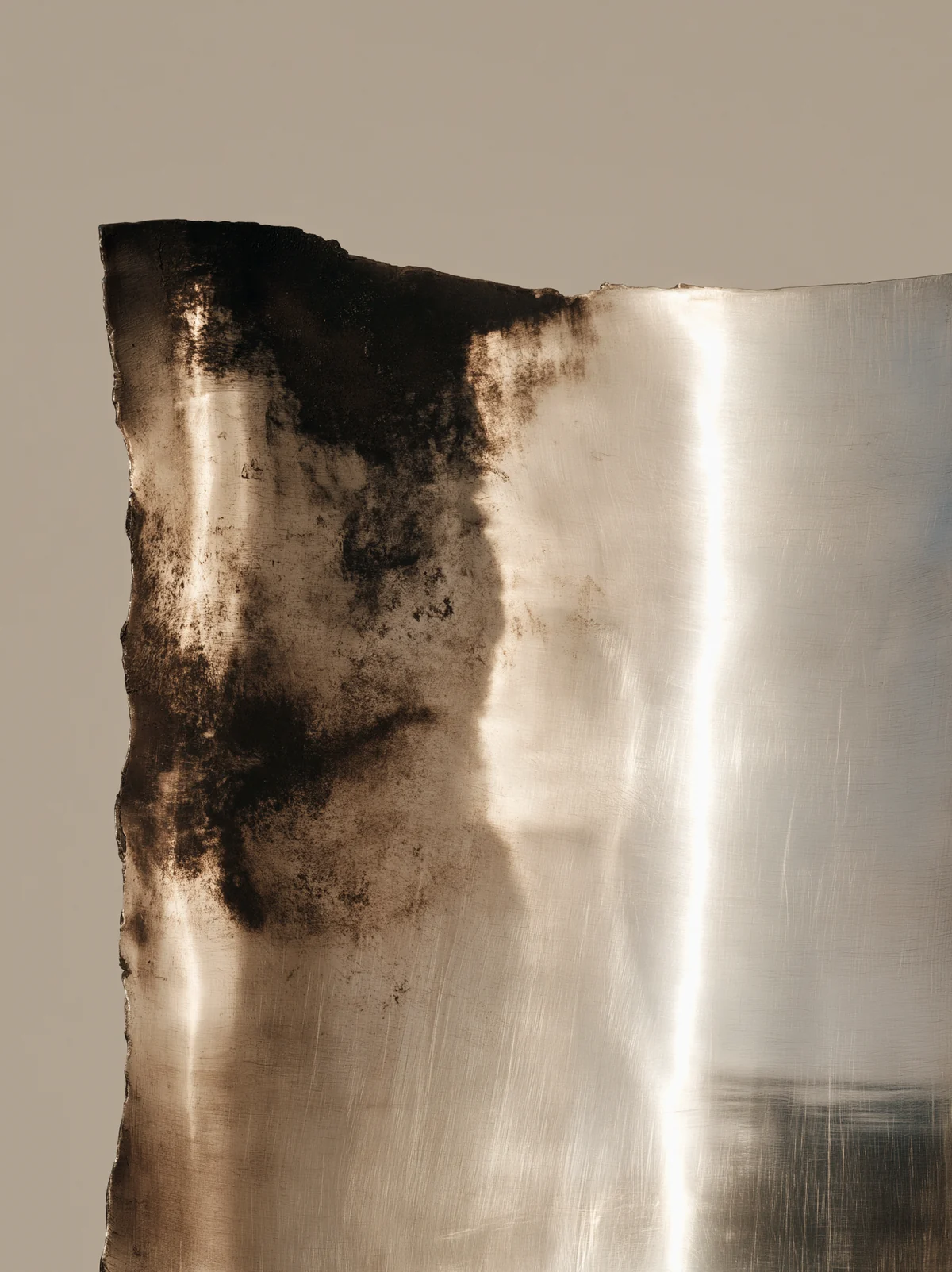
Weight, balance, joinery, grain, oxidation, tolerances and time force the vision to become responsible. In return, the vision asks craft to rise beyond habit. The resolution unfolds within this dialogue.
Imperfection is not corrected away. It is kept as evidence of making and human presence.
The object stops being an image and enters the space.


What the
House remembered
Welcome to Echoes.